Eiskalte Liebe: Unpacking the Ice-Cold Passion and Raw Emotions
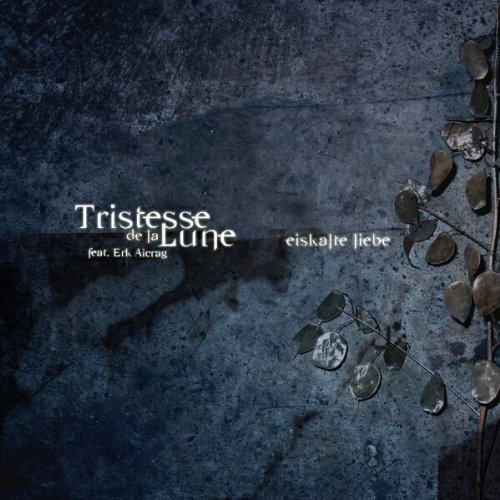
The human heart is a battlefield of contradictions, capable of harboring the most intense passions alongside chilling detachment. This complex interplay finds a profound voice in the German term *Eiskalte Liebe* (Ice-cold Love) and its equally compelling counterpart, *Heißkalte Liebe* (Hot-cold Love). These phrases don't merely describe a lack of affection; they delve into a unique emotional landscape where love is intertwined with pain, betrayal, and an enduring struggle for liberation. A masterful exploration of this theme comes from the collaborative track "Eiskalte Liebe" by Tristesse De La Lune Feat. Erk Aicrag, a powerful example from the Electronic, Rock, Gothic, EBM, and Industrial genres that bravely confronts the rawest human emotions. This article will dissect the intricate layers of *Eiskalte Liebe* and *Heißkalte Liebe*, examining their psychological underpinnings, their vivid lyrical portrayal, and their enduring resonance in the realm of intense human connections.The Paradox of "Eiskalte Liebe" and "Heißkalte Liebe"
At first glance, the concept of "ice-cold love" seems like an oxymoron. How can love, traditionally associated with warmth, connection, and passion, be *cold*? *Eiskalte Liebe* speaks to a love that has been frozen, perhaps by betrayal, neglect, or a slow decay of affection. It’s not necessarily hatred, but rather an emotional desolation that leaves a once vibrant connection barren and painful. The love might still exist, a haunting phantom, but it is now devoid of warmth, inflicting a unique kind of suffering. The term *Heißkalte Liebe* adds another layer of complexity. This "hot-cold love" dynamic describes a relationship characterized by extreme emotional swings: intense passion, affection, and closeness followed abruptly by distance, cruelty, or indifference. It’s a push-pull cycle that can be incredibly addictive and destructive. One moment, you're basking in a lover's adoration, the next, you're reeling from their sudden frigidity. This volatile pattern creates an emotional rollercoaster, leaving individuals perpetually confused, hurt, and desperate for the "hot" phases to return, even as the "cold" moments erode their spirit. Both *Eiskalte Liebe* and *Heißkalte Liebe* tap into a universal human experience of profound emotional conflict, a battle between what was, what is, and what one desperately wishes to escape or regain. The electronic and industrial soundscapes often associated with artists like Tristesse De La Lune provide the perfect sonic backdrop for these intense, often dark, emotional narratives, mirroring the internal turmoil with their pulsating beats and melancholic melodies.Deconstructing the Lyrical Landscape: A Journey into Anguish and Liberation
The track "Eiskalte Liebe" serves as a poignant lyrical embodiment of these paradoxical emotional states. With its blend of Spanish and German, the lyrics traverse a landscape of despair, longing, and a desperate plea for release. This linguistic duality not only adds a unique artistic flair but also enhances the universal appeal of its profound message, allowing listeners from diverse backgrounds to connect with its raw intensity. For a deeper dive into the song's linguistic nuances, explore Tristesse De La Lune Feat. Erk Aicrag: The Lyrical World of Eiskalte Liebe. The opening lines immediately immerse us in a world of profound anguish: "El que pueda morir de locura y perdición / Ansiando el día en que puede morir / De locura y perdición" (He who can die of madness and perdition / Longing for the day he can die / Of madness and perdition). This isn't just sadness; it's a yearning for an end to an unbearable mental and emotional torment, a descent into a specific kind of *Heißkalte Liebe* born from a toxic, consuming passion. The core of the "hot-cold" dynamic is brutally laid bare: "Glaub mir, Ich… Ich liebte dich / Glaube mir, Ich hasse dich" (Believe me, I… I loved you / Believe me, I hate you). This stark juxtaposition of past love and present hatred captures the essence of a fractured heart, where affection has curdled into resentment, yet the memory of love’s warmth persists, making the current coldness all the more agonizing. The subsequent lines expose the source of this pain: "Deine Wörter ein Meer von Lügen / Deine Augen Schmerzen sind" (Your words a sea of lies / Your eyes are pain). Here, the betrayal is palpable, turning words of affection into instruments of deceit and the gaze of a loved one into a source of agony. The desperate plea for release echoes throughout: "Lass mich endlich gehen / Kann nicht mehr weinen / Kann nicht mehr leiden" (Let me finally go / Can no longer cry / Can no longer suffer). This is the cry of someone pushed to their limits, drained of emotional resilience, yearning for an escape from the cyclical suffering inherent in a *Heißkalte Liebe* relationship. The track concludes with a chilling realization: "A esta agonía regresarás / Aunque el fuego nunca lo olvidarás" (To this agony you will return / Though you will never forget the fire). This suggests that even if one escapes the immediate pain, the scars—the "fire"—of such a consuming, paradoxical love will forever remain, hinting at the cyclical nature of trauma and the difficulty of truly breaking free from the emotional chains of a profound *Heißkalte Liebe*. For a more focused analysis of these themes, refer to Eiskalte Liebe Lyrics: Exploring Themes of Love, Hate, and Liberation.The Psychology Behind the Contradiction: Navigating Toxic Dynamics
Understanding *Heißkalte Liebe* goes beyond poetic expression; it delves into the psychology of toxic relationships. The intermittent reinforcement—the unpredictable cycle of affection and cruelty—can be incredibly damaging, making it difficult for individuals to leave. The "hot" moments provide just enough hope and validation to keep the victim hooked, rationalizing the "cold" periods as temporary aberrations. This dynamic often involves:- Emotional Manipulation: Partners may use guilt, threats, or gaslighting to maintain control, distorting the victim's perception of reality.
- Erosion of Self-Worth: Constant criticism, devaluation, and the emotional roller coaster chip away at a person's self-esteem, making them feel unworthy of stable, healthy love.
- Codependency: The victim may become overly reliant on the partner for validation, believing they are responsible for their partner's happiness or capable of "fixing" them.
- Trauma Bonding: The intense emotional highs and lows can paradoxically create a strong, almost unbreakable bond, making separation incredibly difficult despite the pain.
Practical Tips for Navigating "Heißkalte Liebe" Dynamics:
If you recognize the patterns of *Heißkalte Liebe* in your own relationships, here are some actionable steps:
- Recognize the Cycle: Acknowledge that the "hot" moments are often followed by "cold" ones, and this pattern is not healthy or sustainable. This is not true love; it's a manipulation tactic.
- Set Firm Boundaries: Clearly communicate what you will and will not tolerate. Be prepared to enforce these boundaries, even if it means stepping away from the relationship.
- Seek External Support: Talk to trusted friends, family members, or a therapist. An outside perspective can help validate your feelings and provide clarity.
- Prioritize Self-Care: Focus on activities that rebuild your self-esteem and emotional well-being. This might include hobbies, exercise, mindfulness, or professional help.
- Plan Your Exit: If the relationship is consistently damaging, create a safety plan for leaving. This could involve securing housing, financial independence, and emotional support networks. Remember, "Lass mich endlich gehen" isn't just a lyric; it's a powerful call to action for self-preservation.