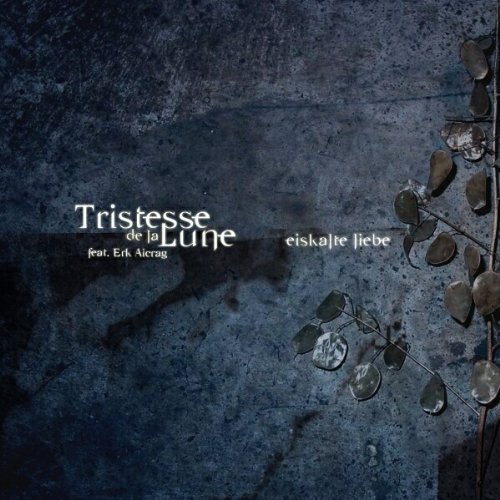
Eiskalte Liebe Lyrics: Exploring Themes of Love, Hate, and Liberation
The musical landscape often provides a canvas for humanity's most complex emotions, and few tracks capture the turbulent duality of the heart quite like Tristesse De La Lune Feat. Erk Aicrag's "Eiskalte Liebe." Translating to "Ice-cold Love," this powerful piece delves deep into the agonizing push and pull of passionate connection and bitter disillusionment. Far from a simple ballad, "Eiskalte Liebe" masterfully embodies the essence of what we might call Heißkalte Liebe—a searing hot-cold love that burns with intensity even as it freezes with pain and regret. Through its evocative lyrics, the song navigates a treacherous emotional terrain, exploring themes of profound affection, visceral hatred, and the ultimate yearning for liberation from a suffocating bond.
Originally emerging from the darkwave and gothic electronic scenes, Tristesse De La Lune's collaboration with Erk Aicrag (known for his work with Hocico and Rabia Sorda) infuses "Eiskalte Liebe" with an intensity that is both raw and meticulously crafted. The track's lasting appeal lies not just in its musical composition but in its lyrical honesty, which speaks to anyone who has experienced the paradox of loving someone deeply while simultaneously resenting the pain they inflict. This article will unpack the layers of meaning within these profound lyrics, shedding light on the intricate dance between devotion and despair that defines Heißkalte Liebe.
The Paradox of Heißkalte Liebe: A Lyrical Deep Dive
At the very heart of "Eiskalte Liebe" lies the struggle between conflicting emotions. The title itself, "Ice-cold Love," hints at this dichotomy, but the lyrics expand upon it, revealing a relationship defined by a fervent, yet ultimately destructive, passion—a true Heißkalte Liebe. The song's most poignant lines directly articulate this internal conflict, leaving no room for ambiguity:
Glaub mir, Ich… Ich liebte dich
Glaube mir, Ich hasse dich
Translated as, "Believe me, I… I loved you / Believe me, I hate you," these lines serve as the emotional cornerstone of the track. They are not merely an expression of fleeting anger but a profound confession of a love so intense it has curdled into its polar opposite. This immediate juxtaposition captures the essence of Heißkalte Liebe—the inability to fully detach, even as hatred takes root. It's a testament to the idea that the opposite of love isn't indifference, but often, a deeply felt and passionate hate born from profound intimacy.
The lyrics further elaborate on the source of this agonizing hatred, painting a picture of betrayal and pain:
Deine Wörter ein Meer von Lügen
Deine Augen Schmerzen sind
"Your words a sea of lies / Your eyes are pain" illustrates the deep wounds inflicted by the loved one. It's not just the actions but the very essence of the person—their communication, their gaze—that has become a source of suffering. This imagery evokes a sense of drowning in deception and being perpetually pierced by sorrow, characteristic of a love that has gone irrevocably sour. The intensity of these accusations makes it clear that the "ice-cold" aspect of this love is a direct consequence of perceived deceit and emotional harm. For a deeper look into the intricate emotional tapestry of this track, consider reading Eiskalte Liebe: Unpacking the Ice-Cold Passion and Raw Emotions.
Navigating Despair: The Journey Towards Liberation
Beyond the struggle of love and hate, "Eiskalte Liebe" is fundamentally a song about the desperate search for an escape—a yearning for liberation from a relationship that has become a prison. The exhaustion from this emotional warfare is palpable:
Kann nicht mehr weinen
Kann nicht mehr leiden
Lass mich endlich gehen
"Can't cry anymore / Can't suffer anymore / Let me finally go." These lines convey a breaking point, a moment of utter depletion where the capacity for emotional pain has been exceeded. The plea "Lass mich endlich gehen" is a desperate cry for release, not just from the relationship, but from the cycle of suffering itself. This isn't just about ending a romance; it's about reclaiming one's emotional sovereignty.
The Spanish verses add another layer to this despair, escalating the imagery to one of madness and perdition:
El que pueda morir de locura y perdición
Has llegado hasta aquí a mi lado
Abriendo tu [] en mí, de locura y perdición
Cortando todo lo que pensé decir
Ansiando el día en que puede morir
De locura y perdición
"He who can die of madness and perdition / You've come this far by my side / Opening your [] in me, of madness and perdition / Cutting everything I thought to say / Longing for the day I can die / Of madness and perdition." These lines suggest that the relationship has pushed the speaker to the brink of sanity, to a place where death itself is longed for as the ultimate form of liberation from an unbearable state of being. The desire to "die of madness and perdition" is a poetic, albeit grim, way of expressing an overwhelming need to escape a torturous reality. It’s a powerful metaphor for the desire to be free from the destructive influence of Heißkalte Liebe. This intense journey towards liberation is a core theme that resonates deeply with listeners.
The Bilingual Tapestry: German and Spanish as Emotional Vessels
One of the distinctive features of "Eiskalte Liebe" is its powerful use of two languages: German and Spanish. This bilingual approach isn't merely stylistic; it's a profound choice that amplifies the emotional depth and thematic complexity of the song. The juxtaposition of languages mirrors the very hot-cold nature of Heißkalte Liebe.
- German for Direct Confrontation and Despair: The German lyrics, particularly the direct declarations like "Ich liebte dich / Ich hasse dich" and "Lass mich endlich gehen," carry a raw, blunt force. German often lends itself to expressing strong, unambiguous emotions, and here it's used to convey the brutal reality of love turned hate, and the desperate plea for release. It's the language of confession and direct appeal, giving weight to the immediate suffering.
- Spanish for Poetic Anguish and Mystical Perdition: The Spanish verses, on the other hand, infuse the narrative with a more poetic, almost melancholic, and passionate despair. Phrases like "locura y perdición" (madness and perdition) evoke a sense of spiritual or existential torment that feels particularly profound and vivid in Spanish. It adds a layer of fatalism and dramatic flair, elevating the personal suffering to something more universal and perhaps even mythical.
The interplay between these two languages creates a rich tapestry of emotion, allowing the artists to explore different facets of the same core feelings. The German sections feel like immediate, guttural cries, while the Spanish parts explore the deeper, more philosophical consequences of enduring such a destructive bond. For artists, this multi-lingual approach can be an incredibly effective tool, allowing for diverse cultural resonance and the ability to articulate nuances of feeling that might be challenging in a single tongue. It broadens the emotional palette and allows for a more comprehensive portrayal of the complex dynamics of Heißkalte Liebe. To understand more about the creative forces behind this song, check out Tristesse De La Lune Feat. Erk Aicrag: The Lyrical World of Eiskalte Liebe.
Beyond the Lyrics: Themes and Interpretations
"Eiskalte Liebe" transcends its personal narrative to touch upon universal themes that resonate deeply with listeners. It offers a profound exploration of:
- Toxic Relationships: The song serves as a vivid portrayal of a toxic relationship, where love and pain are inextricably intertwined. It highlights how emotional manipulation and deceit ("Meer von Lügen") can erode a bond, leaving behind only bitterness and a longing for freedom.
- Emotional Exhaustion and Resilience: The repeated expressions of being unable to cry or suffer anymore speak to the limits of human endurance. Yet, the very act of voicing this pain and demanding release also suggests a form of resilience—a refusal to remain trapped in a destructive cycle.
- The Struggle for Self-Preservation: Ultimately, the drive behind the plea for liberation is self-preservation. The speaker realizes that staying in this "ice-cold love" means losing themselves to "madness and perdition," making the decision to leave, however painful, a necessary act of reclaiming identity and peace.
For listeners, "Eiskalte Liebe" can serve as a powerful mirror for their own experiences with complex relationships. It provides a cathartic outlet for unspoken frustrations and sorrows, offering a sense of solidarity to those who have navigated the difficult waters of Heißkalte Liebe. When encountering music with such raw emotional depth, consider:
- Active Listening: Pay attention to not just the words, but the inflection, the musical arrangement, and how these elements amplify the lyrical message.
- Personal Reflection: Use the themes to reflect on your own experiences. How do these lyrics resonate with moments of love, hate, or liberation in your life?
- Creative Expression: If inspired, channel these complex emotions into your own creative outlets—writing, art, or even simply journaling. Music like "Eiskalte Liebe" can be a powerful catalyst for personal growth and understanding.
The blend of Gothic atmosphere, electronic rhythms, and raw lyrical honesty positions "Eiskalte Liebe" as a timeless piece that captures the agonizing beauty of a heart in conflict.
Conclusion
Tristesse De La Lune Feat. Erk Aicrag's "Eiskalte Liebe" is far more than just a song; it is an emotional odyssey through the darkest corners of human connection. By boldly confronting the contradictory feelings of love and hate, and eloquently articulating the desperate need for liberation, the track perfectly encapsulates the paradox of Heißkalte Liebe. Its bilingual lyrics provide a rich, multi-faceted exploration of pain, betrayal, and the ultimate quest for emotional freedom. The song stands as a powerful testament to the enduring human capacity to love fiercely, suffer profoundly, and ultimately, strive for release from the bonds that threaten to consume us. Its enduring message of emotional resilience and the complexities of the human heart ensures its place as a significant piece in the dark electronic music canon.